Rats and mice are common household pests. They can damage property and may spread disease if not dealt with.
We provide treatment for infestations, along with advice on how to prevent them.
Rats and mice are common household pests. They can damage property and may spread disease if not dealt with.
We provide treatment for infestations, along with advice on how to prevent them.
Rats are typically:
Noises coming from the loft are often caused by squirrels or birds rather than rats or mice.
An adult must be present throughout each visit. Treatments typically involve:
To help prevent rats entering your home, you should:
Noises coming from the loft are often caused by squirrels or birds, rather than rats or mice.
Typically, mice:
An adult must be present throughout each visit. Treatment typically involves:
Prepare your home against mice:
Dead mice can be put in a plastic bag and then in the bin.
Crawling pests such as ants, bedbugs, cockroaches, beetles and fleas are common in the home and can cause problems, and in some cases, health problems, if not dealt with.
We provide treatment for crawling pest infestations, along with advice on how to prevent them.
Black garden ants are:
Pharaoh ants are:
The nest is usually found outside a property but they can get inside buildings through the tiniest of gaps to forage for food scraps, this is why they are usually found in the kitchen. During the late summer the nest produces winged ants, often called flying ants.
An adult must be present throughout each visit. Treatments in your home involve:
The most effective method of control is to find and destroy the nest. Look outside next to exterior walls on the south side of the house under paths or slabs.
Often ants will emerge in buildings from interior walls, giving the impression that the nest is inside the building. The ants often follow electrical wiring or plumbing along the length of the wall through the cavity or under the skirting boards.
If you cannot find the nest, use ant powder as a temporary solution to prevent them entering your property. Put the powder in any cracks:
Lift the edge of carpets and apply powder along skirting boards.
Bedbugs are small, flat insects, around 6mm long. They are pale brown before feeding and turn reddish‑brown after feeding. Young bedbugs are almost colourless and darken as they grow.
Bedbug infestations can be hard to get rid of if they are not treated early.
You may have bedbugs if you notice:
Note, bites that only appear below the knee are more likely to be caused by fleas.
Bedbugs are often found:
Note, bedbug droppings look like small black dots and are a common sign of an infestation.
If you have a bedbug infestation, we will assess the severity and recommend the most appropriate treatment.
The number of visits and the cost will depend on how widespread the infestation is.
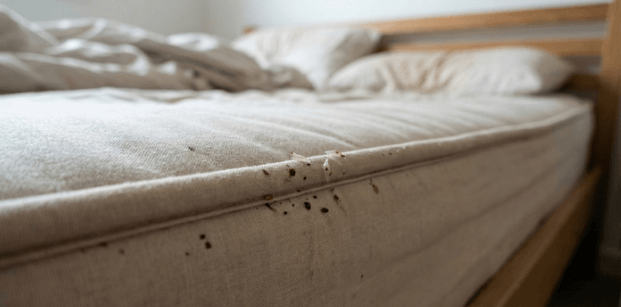
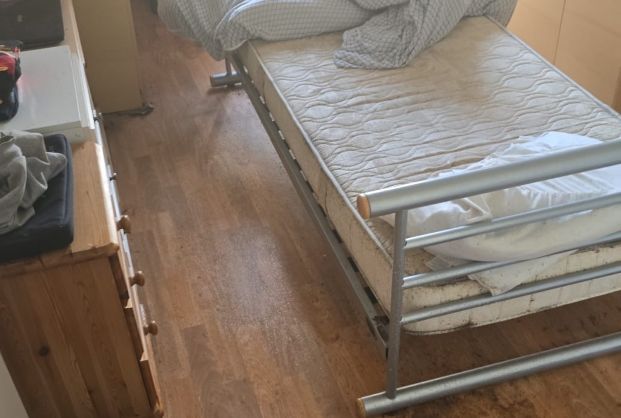
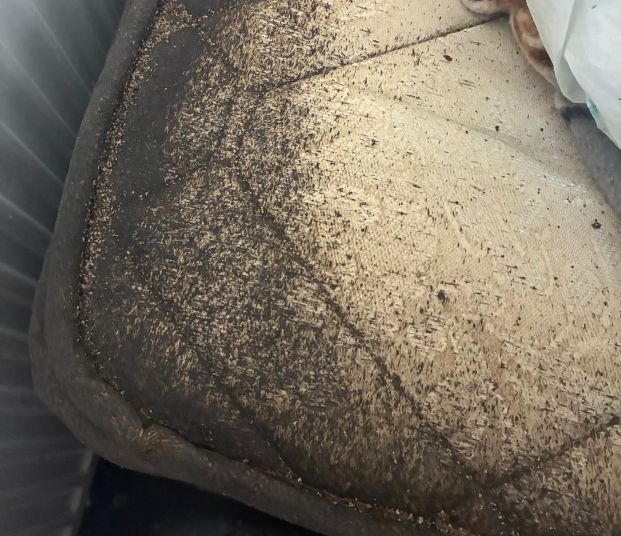
You must have an adult present during each visit. Our treatment includes:
You must prepare your home before we visit. This is important to make sure the treatment is effective and to prevent bedbugs from spreading to other areas.
Before the first and second visit, all clothing and bed linen must be treated in one of the following ways:
You must also:
Once the treatment is over, you should:
Note, if you plan to get a new bed, wait until the infestation has been completely eradicated. This usually takes at least two weeks, and sometimes longer.
We will treat all accessible areas using a unique oil-in-water based insecticide.
The products used are designed not to stain or damage surfaces. However, we cannot guarantee that staining will not occur. Any staining is not covered by Brent Council.
This does not affect your statutory rights.
Brent is commonly affected by Oriental and German cockroaches.
Cockroaches are typically:
We provide treatment for cockroach infestations and advice on how to prepare for treatment.
Cockroaches may be present if you notice:
An adult must be present throughout each visit. Treatments in your home typically involve:
Treatment in your home typically involves:
You can help prevent cockroaches by:
Bites from fleas are usually restricted to below the knees, bites more evenly distributed on the human body are more frequently caused by bedbugs.
An adult must be present throughout each visit. Treatments in your home typically involve:
To prepare your home before we arrive:
All treated areas should not be cleaned, polished or vacuumed for two weeks after the treatment.
Flying pests such as moths and wasps can be a nuisance in and around the home if not dealt with.
We provide treatment for flying pest infestations, along with advice on how to prevent them.
The clothes moth is the most common fabric moth.
Because these moths are weak flyers and not attracted to light, you can find them close to the infested items, such as in dark areas of closets.
The larva is the damaging stage of the clothes moth and feeds on:
Damages usually appear in hidden areas of your clothes such as:
An adult must be present before we start the treatment. You will have to leave your property during the treatment and return at least three hours later. Treatments in your home involve:
We may not be able to treat your home if you do not carryout the following:
Before the treatment you should:
The above steps will also need to be repeated for the second visit.
Clothes moths may hide on woollen garments or scraps stored for long periods. In order to prevent clothes moths ensure your clothes are:
Brushing destroys eggs and exposes larvae. Larvae are strongly repelled by light and will fall from clothing when they cannot find protection.
Note. Bees are rounder, fatter, slower moving and hairier than wasps. The rear legs are fat and they have duller coloration. They only feed on pollen, so they are often found near flowers and plants.
Wasp nests are mainly active between April and October, most nest are dying off from November and may not be worth booking treatments outside of this date range. However the service is still available
An adult must be present throughout each visit. Treatments in your home involve:
The nest will be dead in one or two days after the treatment.
We do not currently provide a service to deal with:
These treatment prices are for single occupancy residential properties.
Landlord for HMO’s, commercial properties and areas outside of the London Borough of Brent should email pest.control@brent.gov.uk for a tailored quote. Please use Treatment Enquiry in the subject line of the email.
Our prices are given to you upfront. There are no hidden costs so you can have peace of mind. All prices are inclusive of VAT.
Missed appointments and additional visits will carry a surcharge, which will vary dependant on the cost of treatment.
The prices quoted below are discounted for online only bookings. Other bookings may incur an administrative surcharge.
| Pests | Standard Fee | Number of visits | Days between visits |
|---|---|---|---|
| Mice | £194 | 3 | 7 to 10 |
| Rats | £194 | 3 | 7 to 10 |
| Bedbugs (1-3 rooms) | |||
| Light infestation | £312 | 2 | 14 to 16 |
| Heavy infestation | £580 | 4 | 14 and 21 |
| Extreme infestation | Price on request | TBC | 14 |
| Bedbugs (4-6 rooms) | |||
| Light infestation | £356 | 2 | 14 to 16 |
| Heavy infestation | £685 | 4 | 14 and 21 |
| Extreme infestation | Price on request | TBC | 14 |
| Cockroaches | £216 | 2 | 10 to 14 |
| Combined mice and cockroaches | £323 | 3 | 7 to 10 |
| Combined rats and cockroaches | £323 | 3 | 7 to 10 |
| Combined rats or mice and bedbugs | £413 | 3 - 4 | 7 to 10 |
| Wasps | £90 | 1 | N/A |
| Garden Ants (black ants) | £115 | 1 | N/A |
| Pharaoh Ants (yellow ants) | £287 | 2 | 21 to 28 |
| Fleas | £291 | 2 | 14 to 21 |
| Clothes Moths (1-3 rooms) | £314 | 2 | 14 to 21 |
| Clothes Moths (4-6 rooms) | £357 | 2 | 14 to 21 |
| Bird control works | Price on request | ||
| Out of borough works | Price on request | ||
Please read the following terms and conditions that apply to your treatments including cancelling, missing or rearranging your appointments:
Reports are sent electronically by email to the person making the booking and occupiers where this information is given. This will include details of both parties.
Terms and conditions
If you have any questions or queries, please email us on pest.control@brent.gov.uk